
For millions of movie fans, Mortal Kombat wasn’t just another video game adaptation. It was the film that proved games could become blockbuster entertainment. Thirty years later, producer Larry Kasanoff still remembers taking the gamble that almost everyone thought would end his career.
Speaking with Movieland, Kasanoff looked back on the risks, the creative decisions and the relentless determination that transformed an arcade fighting game into one of the most influential video game films ever made.
Before Mortal Kombat, Kasanoff had already built an impressive career, working alongside James Cameron at Lightstorm Entertainment on films including Terminator 2: Judgment Day and True Lies. But even after the enormous success of Terminator 2, he felt compelled to leave the security of one of Hollywood’s biggest production companies to pursue something completely different.
“Everyone told me my career was going to be over. They said, ‘Nice try. It was nice knowing you.’”
His philosophy has always been driven by what director Oliver Stone once described as having “a touch of the madness.” After backing Platoon early in his career despite enormous pressure, Kasanoff embraced the idea that creative success often comes from taking risks others refuse to take.
That mindset would ultimately lead him to a small office at Midway Games, where he was shown an early version of a little arcade game called Mortal Kombat. While many people saw another fighting game, Kasanoff immediately saw something much bigger.
“I turned around and said, ‘This is Star Wars meets Enter the Dragon.’”
It wasn’t simply the brutal combat that impressed him. He believed the game captured a feeling of empowerment that players connected with instantly. Watching a young boy confidently challenge and defeat adults in an arcade convinced him the game had something special that extended beyond its graphics or fatalities. Kasanoff believed the secret was capturing its spirit.
“We weren’t making a movie from the video game. We were making a movie from the essence of the video game.”
At the time, adapting a video game into a successful movie was almost unheard of. Films like Super Mario Bros., Double Dragon and Street Fighter had all struggled critically or commercially, but Kasanoff believed they were approaching the source material the wrong way.
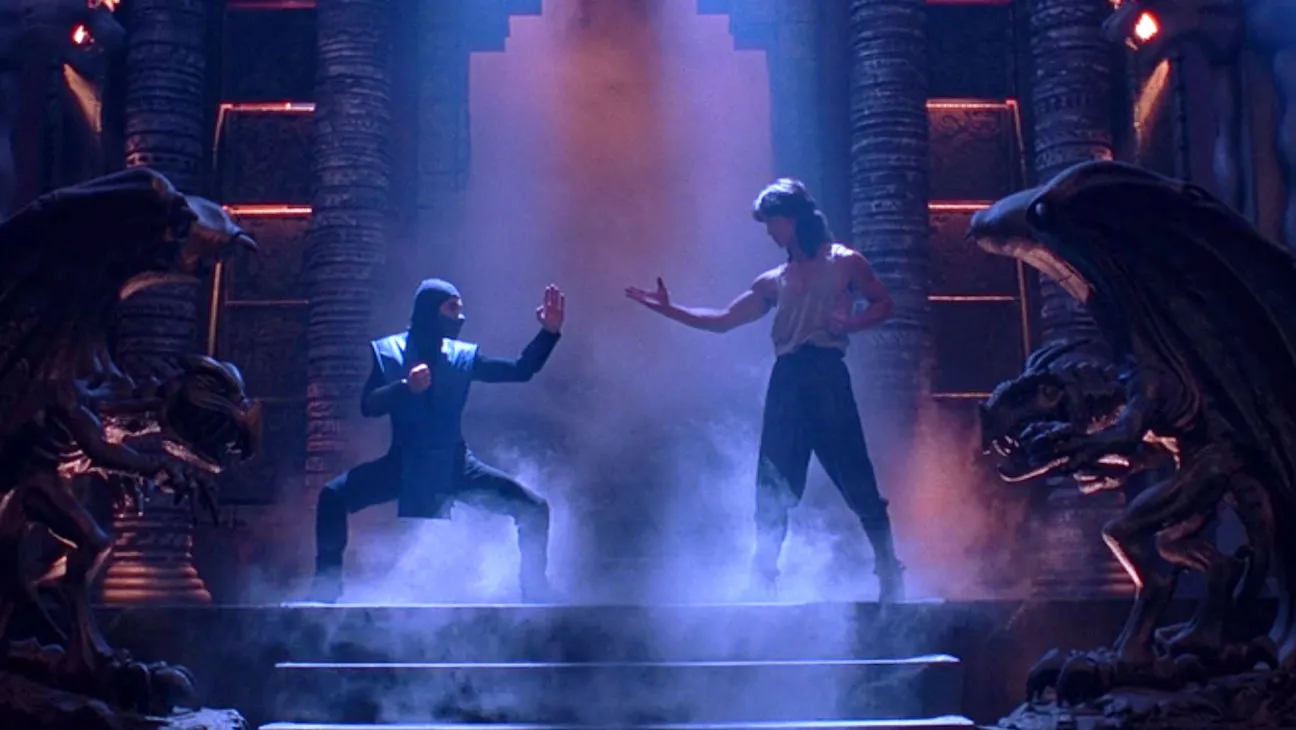
After early test screenings, audiences overwhelmingly enjoyed the film but wanted even more combat. Rather than ignoring the feedback, New Line Cinema supported returning to shoot additional fight sequences. Those reshoots produced what many fans still consider the film’s standout moments, including Liu Kang’s unforgettable battle with Reptile and Johnny Cage’s fight against Scorpion.
Music also became a defining part of the experience. Long before electronic dance music became mainstream, Kasanoff insisted that Mortal Kombat needed a high energy soundtrack built around EDM instead of traditional rock or pop music. Record companies pushed back, wanting more conventional artists, but he refused to compromise.
The result was one of cinema’s most iconic soundtracks, with tracks from Fear Factory, Gravity Kills and the unforgettable title theme becoming inseparable from the film itself. For many fans, hearing those opening beats is still enough to transport them straight back to 1995.
Looking back, Kasanoff believes every creative decision came back to delivering on one promise. The film’s marketing boldly declared that “Nothing in the world has prepared you for this.”
To him, that meant every element had to feel fresh, from the cast and choreography to the soundtrack and visual style.
Even casting Christopher Lambert as Raiden proved inspired. Kasanoff revealed that Lambert’s playful personality helped shape the character’s memorable sense of humour, with several moments evolving naturally during filming.
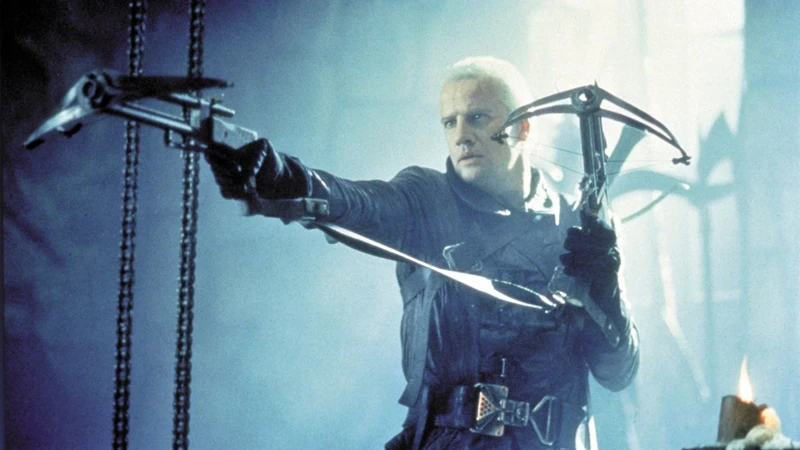
We also touched briefly on Beowulf, another ambitious fantasy project that reunited him with Christopher Lambert. While very different from Mortal Kombat, it demonstrated Kasanoff’s continued passion for blending action, mythology and new filmmaking technology.
Three decades later, Mortal Kombat continues to thrive through new films, games and television projects, with Kasanoff remaining involved as an executive producer. For someone who was repeatedly told adapting a video game was career suicide, the franchise’s enduring popularity is a satisfying reminder that sometimes the biggest risks produce the biggest rewards.
And perhaps that’s the lasting lesson Larry Kasanoff hopes filmmakers remember. If you truly believe in an idea, embrace a little madness, trust your instincts and never stop asking impossible questions. After all, that’s exactly how Mortal Kombat became a cinematic legend.
#ThankYouLarry