

When most people hear the name Peter Webber, they immediately think of acclaimed dramas like Girl with a Pearl Earring or historical epics that showcase his eye for beautiful cinematography. His latest film, however, couldn’t be more different.
DRAGN is loud, violent, unapologetically gory and proudly embraces the spirit of the low budget action and horror films that filled video store shelves throughout the 1980s. Speaking with Movieland, Webber made it clear that this wasn’t about creating an intellectual science fiction film. Instead, he simply wanted audiences to have fun.
“I wanted to make something that was just good, nasty fun,” he explained.
That philosophy shaped every decision behind the production. While DRAGN explores modern fears surrounding artificial intelligence and autonomous drones, Webber insists audiences shouldn’t expect a deep philosophical debate about technology taking over humanity.
“There are plenty of places to discuss the dangers of AI,” he said. “This film is about action, adventure, blood and excitement.”
Although the story taps into very real anxieties surrounding artificial intelligence, the inspiration came just as much from the director’s own childhood. Growing up during the VHS era, Friday nights meant visiting the local video store with friends, judging films almost entirely by their artwork. Back then there were no trailers on demand. The cover had to sell the movie.
Sometimes it featured a terrifying monster. Sometimes a giant robot. Sometimes plenty of gore. Often the artwork promised far more than the film could ever deliver, but that didn’t matter.
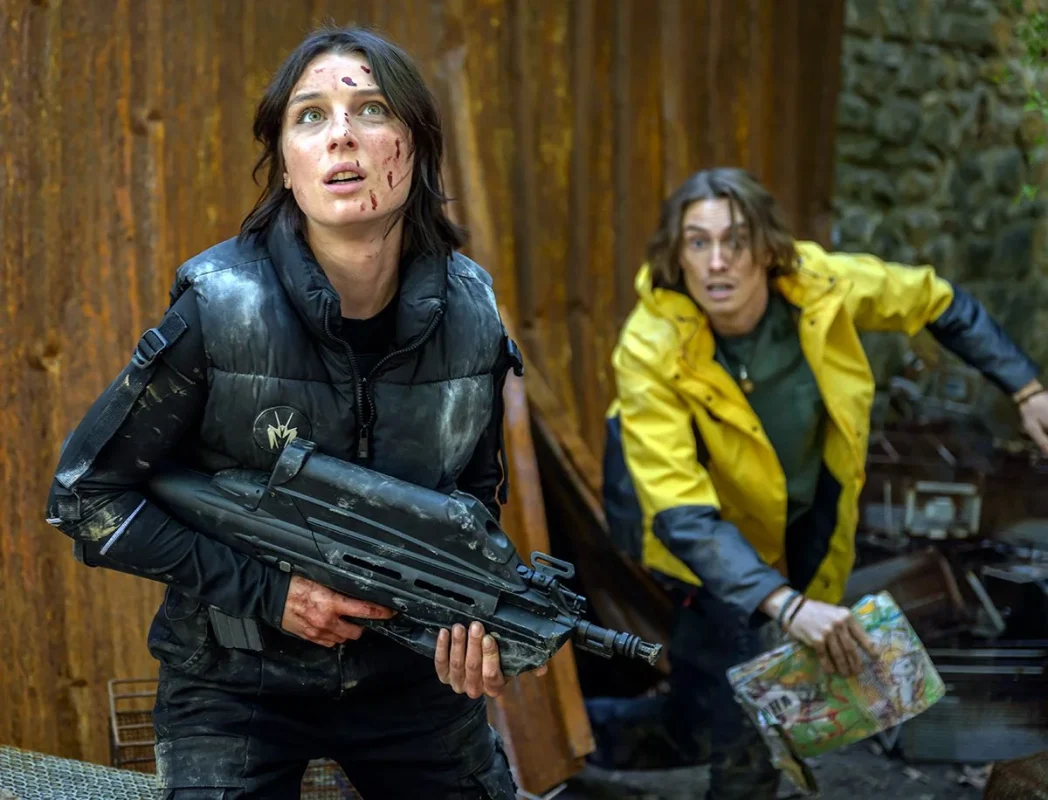
“The entertainment was in discovering those movies,” Webber recalled.
That nostalgic spirit became the driving force behind DRAGN, recreating the excitement of grabbing an outrageous looking VHS from the shelf and hoping for the best. Despite directing major productions throughout his career, Webber found something refreshing about making a fast paced independent film.
Shot in just two weeks on a very modest budget, DRAGN was made with what he described as a “run and gun” mentality that reminded him of his student filmmaking days.
Rather than relying on expensive computer generated effects, Webber and production designer Joseph Hodges decided to build the film’s killer drone as a practical creature. The result gives DRAGN an old school feel that instantly separates it from many modern science fiction films. Instead of actors performing opposite a tennis ball on a stick, the cast had a real machine on set to interact with. The drone itself became one of the production’s greatest achievements.
Rather than copying modern military drone designs, Webber wanted something that felt almost alive. Inspired by insects and robotic creatures, the finished design sits somewhere between a futuristic machine and a deadly scorpion.
Constructed using 3D printed components, hydraulics and practical puppeteering, the drone was physically moved around the set before visual effects artists removed the support rigs during post production.
“There was something really satisfying about having the machine physically there,” Webber said. “You could light it, shoot it and move on.”
The practical approach also helped capture the raw energy that defines the film.
Of course, making an action heavy creature feature in just fourteen days wasn’t easy. One particularly brutal sequence required an actor to appear impaled by military equipment, while the film’s explosive final confrontation demanded weeks worth of work be squeezed into only a couple of days. It was physically exhausting for everyone involved, but Webber believes that frantic pace actually benefits the finished movie.
“You can feel that energy on screen,” he said.

The international cast also impressed the veteran director, particularly James Paxton. Fans will immediately recognise the surname. James is the son of legendary actor Bill Paxton, whose unforgettable performances in Aliens, Predator 2 and The Terminator remain iconic.
Webber even joked that part of his pitch to James was the chance to finally get revenge for everything his father endured on screen.
The conversation naturally turned toward some of the movies that inspired DRAGN. While obvious comparisons can be made to classics like Alien, Predator and The Terminator, Webber’s influences reach much further.
He spoke passionately about cult favourites including Phantasm, the films of Roger Corman, and countless obscure horror and exploitation movies that once filled independent video stores.
His recommendations for movie fans were equally diverse. Alongside classics like Alien and Apocalypse Now, Webber encouraged viewers to seek out lesser known masterpieces including Possession, Stalker, The Vanishing, Let the Right One In, Ginger Snaps and Mandy, describing them as films that stayed with him long after the credits rolled.
When asked what he ultimately hopes audiences take away from DRAGN, his answer was refreshingly honest. He doesn’t want viewers analysing the deeper meanings. He wants them to feel the adrenaline. He wants them to laugh, cheer, cringe at the gore and enjoy ninety minutes of unapologetic genre entertainment.
In an era where many science fiction films strive to deliver profound messages, DRAGN proudly embraces something much simpler. It’s a love letter to the days of video stores, practical monsters and outrageous creature features that existed purely to entertain. And judging by Peter Webber’s enthusiasm, that’s exactly the experience audiences are in for.