Movie News, Spotlight
Exclusive: Brec Bassinger surviving Grizzly Night and Final Destination Bloodlines!
In a genre often dominated by spectacle and exaggeration, Grizzly Night takes a different path. It doesn’t just aim to thrill, it unsettles by grounding its horror in truth. Through conversations with director Burke Doeren and actor Brec Bassinger, a clear picture emerges of a film driven by authenticity, respect for real events, and a deep understanding of human vulnerability in the face of nature.
From the very beginning, both Doeren and Bassinger circle back to the same core idea: this isn’t just a creature feature. It’s a story that actually happened.
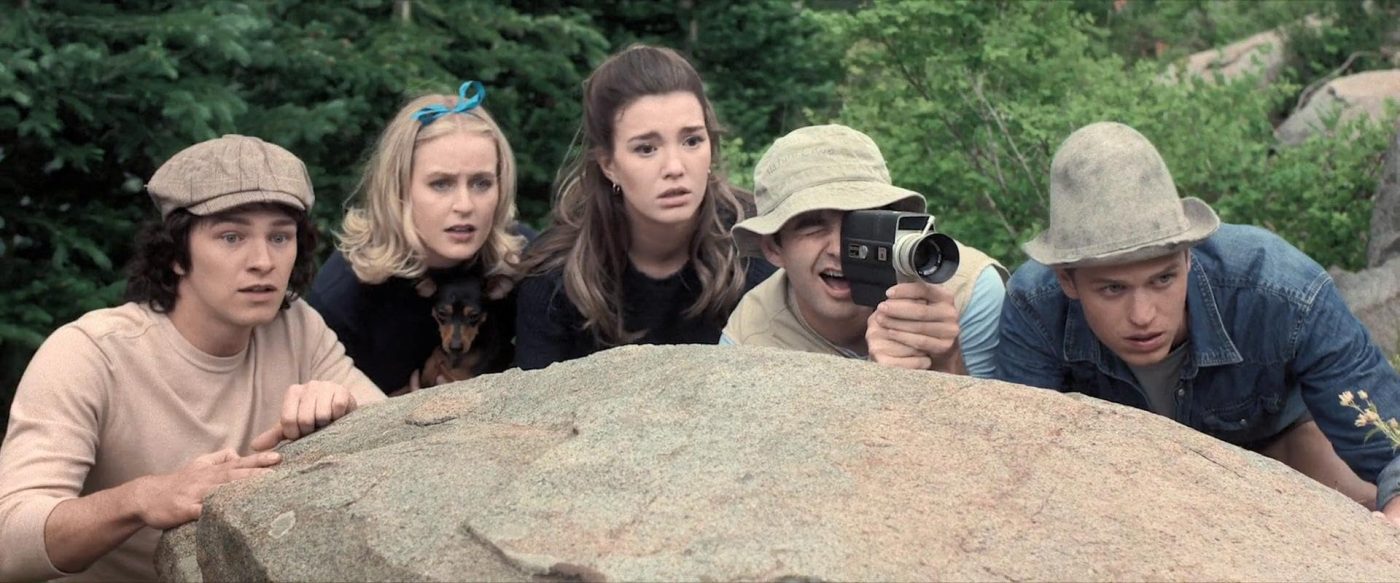
“It’s based on the true story of the first grizzly bear attacks in national park history,” Doeren explains.
That historical weight gives Grizzly Night an edge that elevates it beyond typical survival horror. Set in 1967, the film explores a time when public understanding of wildlife was dangerously naïve, when grizzly bears were treated almost like an amusement park attraction. Bassinger echoes that same perspective from the performance side.
“It’s a creature feature, but based on a true story… when people didn’t think bears were a real danger,” she says.
That shared framing becomes the spine of the film. Both filmmaker and actor approach the material not as fantasy, but as a retelling of something deeply unsettling because it actually occurred. For Doeren, the decision to bring Grizzly Night to life wasn’t driven by personal experience with wildlife, but by the power of the story itself.
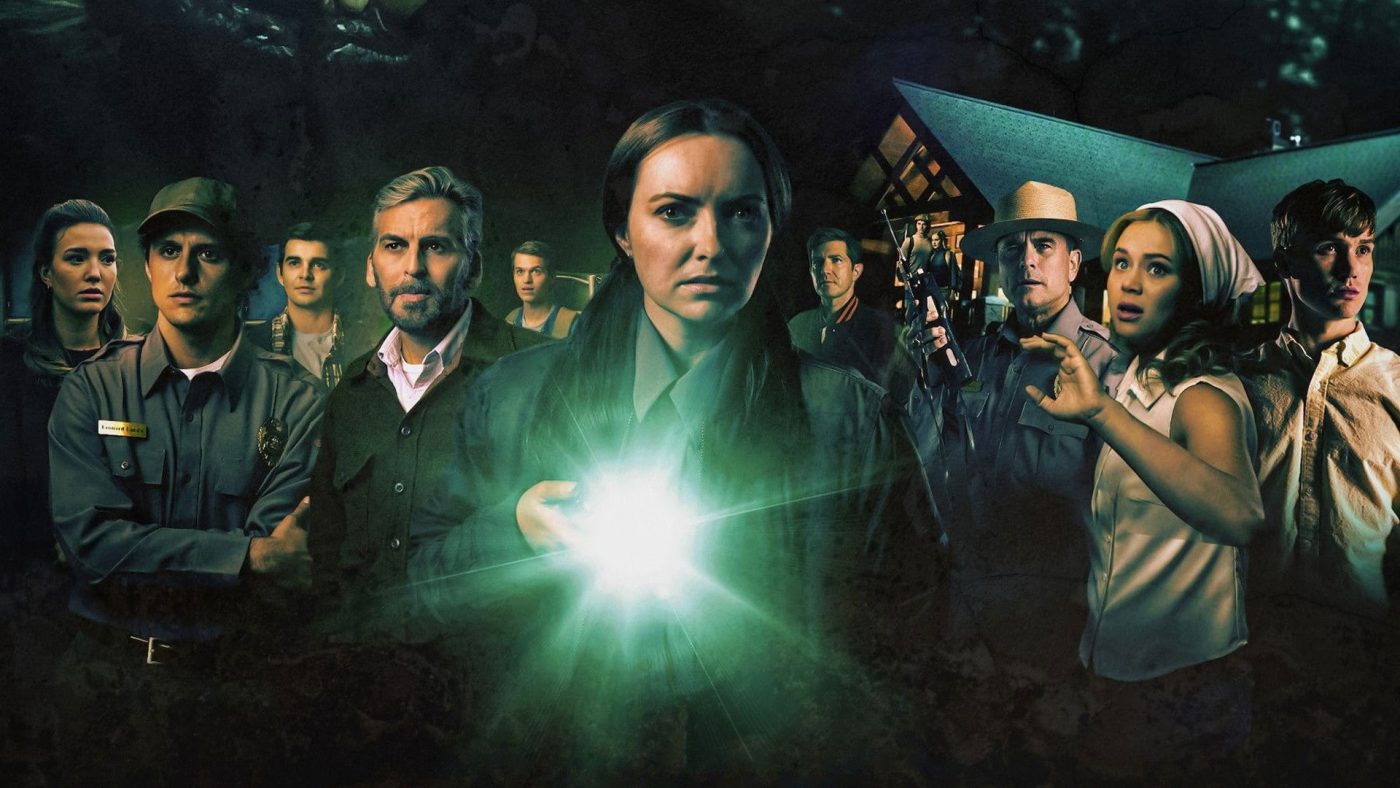
It’s a sentiment that quietly runs through the film. Beneath the tension and terror lies a cautionary tale about human arrogance. The idea that nature isn’t something to control or commodify, but something to respect, becomes one of the film’s most important themes. Bassinger felt that responsibility too when stepping into the role.
“It’s always an honour to bring real people’s stories to the screen,” she says. That sense of responsibility shapes the performances. There’s a grounded realism to the characters, a refusal to lean into over-the-top horror tropes. Instead, the fear comes from how plausible everything feels.
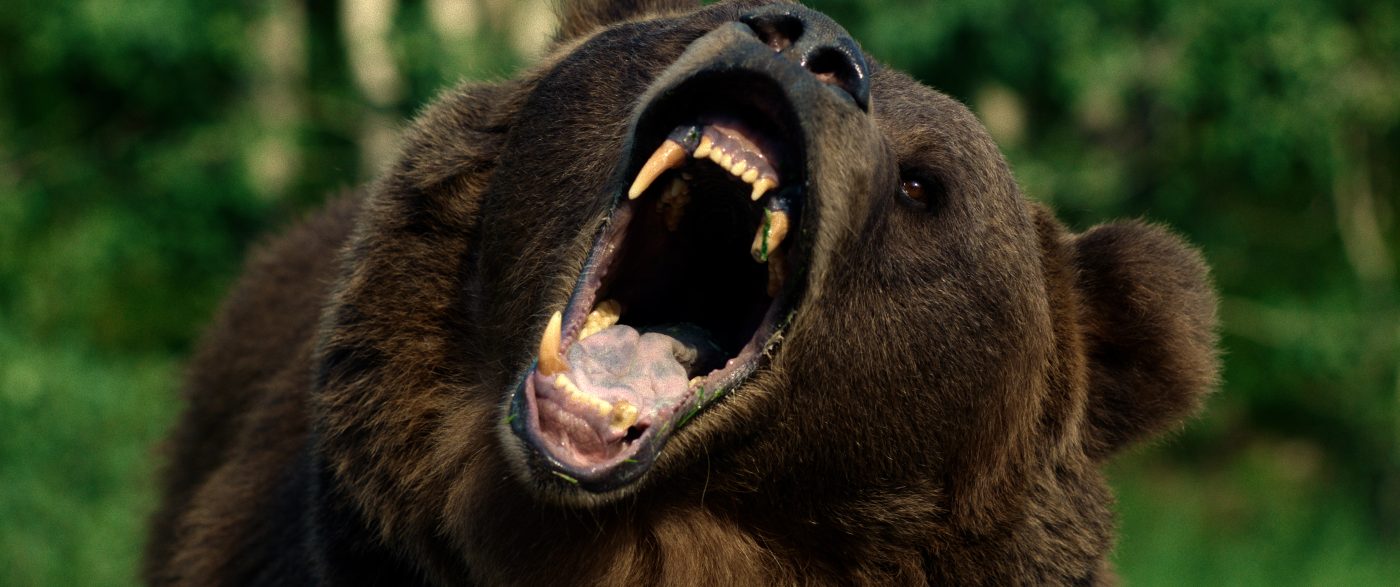
Perhaps the most striking aspect of Grizzly Night is its commitment to authenticity. In an era dominated by CGI, Doeren made a bold decision: use a real bear. “We ended up working with a real grizzly… almost everything you see is real,” he reveals. The bear, named Tag, wasn’t just a visual element. It was central to the film’s realism.
“It was the first time I’ve ever worked with a bear… but it went well. He gave us everything we needed,” Doeren says. Of course, working with a live animal brought its own challenges. Safety was a constant priority, with professional trainers guiding every interaction. Yet, for Doeren, the risk was worth it. That decision pays off on screen. There’s a tangible weight to the presence of the bear, something that can’t quite be replicated digitally. It’s unpredictable, imposing, and undeniably real.
Bassinger was drawn to that element immediately. “I love animals… filming with a real life bear was very appealing to me,” she says. It’s a rare combination of actor curiosity and genuine danger, and it adds an intensity that audiences can feel.
The journey of Grizzly Night began years before cameras started rolling. Doeren traces it back to early 2022, when he first read the script. “We spent quite a long time trying to find a script… and this one was a really concise but powerful adaptation of the real events,” he recalls.
Written by Katrina Mathewson, Bo Bean and Tanner Bean, the script captured the balance between historical accuracy and cinematic tension. For Doeren, it was the kind of story that demanded to be told. What makes the film particularly effective is its pacing. Rather than announcing its true story credentials upfront, it unfolds naturally, allowing audiences to discover the reality behind it as the narrative progresses. “We opted to just get right into it,” Doeren explains. That creative decision enhances the impact. By the time viewers realise the events are real, the weight of the story hits harder.

What ultimately sets Grizzly Night apart is its tone. It doesn’t rely on jump scares or exaggerated violence. Instead, it builds tension through realism. The idea that two separate bear attacks occurred on the same night, for the first time in history, is almost unbelievable. Yet, as Doeren points out, it’s astonishing that it happened, but it did. That truth becomes the film’s greatest strength.
For Bassinger, the experience also reshaped her perspective on wildlife. As someone who enjoys hiking, she’s aware of the risks, even without direct encounters. “If you see baby bears, there’s mama bears,” she says, recalling real-life cautionary moments.
Both Doeren and Bassinger approach the story with a sense of humility. There’s no glorification of the attacks, no attempt to sensationalize tragedy. Instead, the film focuses on understanding what led to those events and what they mean.
As Doeren puts it, the goal was to make everything feel authentic and real. And in that authenticity lies the film’s power. Because sometimes, the most terrifying stories aren’t the ones we imagine. They’re the ones that actually happened.
Where To Watch Grizzly Night