

Cinema is more than an entertainment medium. It is a rich encyclopedia of historical moments and cultural reflection. It’s understood by the average cinema-goer that blockbusters come and go. They’re on the big screen, they’re a spectacle, they amaze (or disappoint), and then they disappear from the spotlight. However, some films achieve a level of brilliance that leaves a permanent mark on those who live and breathe cinema. They linger in the mind long after the credits roll, sometimes for better and sometimes for worse. In the case of RoboCop (1987), it’s almost unanimously for the better. I’d challenge you to find a movie buff worth their weight in popcorn who has a bad word to say about this monumental achievement in filmmaking.
RoboCop is set in a bleak, near dystopian future in Detroit, Michigan. This version of the city is plagued by mass homelessness, an enormous wealth gap, a privatised government controlled by Omni Consumer Products (OCP), an underfunded police force and crime so rampant it has become almost impossible to contain. OCP has commercialised both government and society to the point where, if you don’t have money, you effectively don’t exist. If you do have money, you’re likely part of the problem. Crime continues unchecked while police officers die in alarming numbers, pushing the force towards strike action. Into this chaos arrives Officer Alex Murphy, a talented young cop transferred to Detroit because they desperately need experienced officers. Paired with Officer Anne Lewis, Murphy is immediately thrown into the hunt for Detroit’s most ruthless crime lord, Clarence Boddicker.
During the pursuit, Clarence demonstrates his complete lack of humanity by murdering one of his own gang members without hesitation simply to escape capture. Eventually Murphy and Lewis corner the gang, but instead of the heroic victory audiences expect, Murphy is brutally gunned down in one of the most shocking and uncompromising death scenes ever shown in a mainstream cinema. OCP wastes no time using Murphy’s remains to launch their newest project, RoboCop. Using what is left of his body and brain, they transform him into a cybernetic law enforcement officer. The transformation sequence, largely shown from Murphy’s perspective, remains one of cinema’s greatest body horror moments as executives and scientists drill into his body, alter his vision and celebrate their success while Murphy silently witnesses every horrifying second.
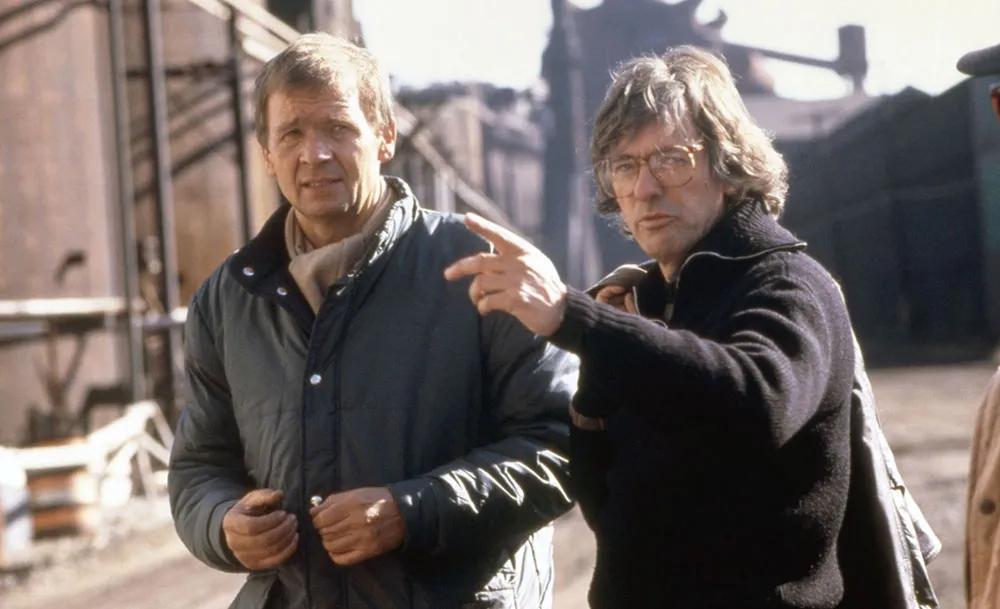
Initially, RoboCop proves to be an overwhelming success, dismantling criminal operations across Detroit and eventually confronting Clarence Boddicker himself. However, Murphy slowly realises he is no longer simply a man. He is a machine, a product and a corporate asset programmed by OCP. Much of his free will has been stripped away, leaving him governed by four primary directives: Serve the public trust. Protect the innocent. Uphold the law. Hidden beneath those directives lies one final command that prevents him from arresting senior OCP executives, ensuring the corporation remains untouchable. The film builds towards an unforgettable confrontation between RoboCop and Boddicker, a battle director Paul Verhoeven himself has compared to Jesus confronting Satan.
What truly elevates RoboCop above standard action cinema is Murphy’s internal struggle. Beneath the steel armour still exists the man who once had a wife, a son and an ordinary life. Although forbidden from returning to them, fragments of those memories continue to surface, leaving Murphy wandering through the remains of his former home filled with confusion, grief and anger. OCP removed the physical man, but they could never erase the human soul entirely. Despite the outrageous premise, Murphy’s tragedy feels remarkably genuine, making audiences empathise with a character who is, quite literally, half machine.
Director Paul Verhoeven somehow balances cheesy science fiction action, graphic violence, biting political satire and genuine emotional drama into one seamless experience. Future Detroit is brought to life through satirical television advertisements and fictional news reports that comment on both 1980s politics and issues that remain surprisingly relevant today. Whether referencing Cold War fears through a family board game about nuclear conflict or touching on Middle Eastern tensions, these background details make RoboCop feel timeless. At its heart, the film explores humanity’s ongoing struggle to balance government, corporate power and individual freedom. Supported by exceptional production design and an incredibly sharp screenplay, every scene either establishes something important or delivers a satisfying payoff later. It’s a level of storytelling discipline many modern blockbusters could learn from.
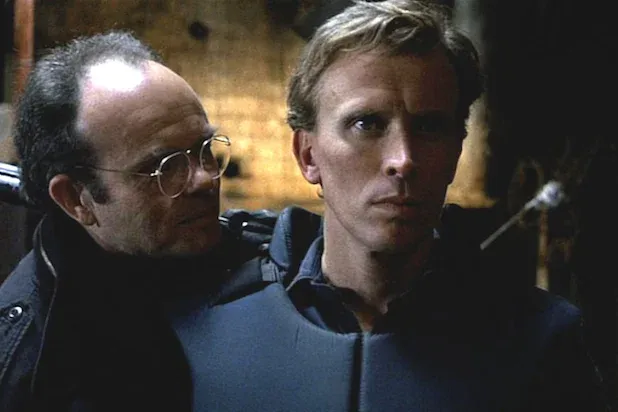
The performances are equally exceptional. Kurtwood Smith delivers one of cinema’s greatest villains as Clarence Boddicker, portraying pure malevolence with effortless charisma. Long before audiences knew him as Red Forman from That ’70s Show, Smith created a criminal so memorable that he remains one of action cinema’s defining antagonists. Ronny Cox and Miguel Ferrer are equally outstanding as rival OCP executives, perfectly capturing the ruthless, self-serving nature of corporate ambition. Then there is Peter Weller, whose performance as RoboCop is nothing short of phenomenal. From the precise robotic movements to conveying overwhelming emotion through the smallest eye movements beneath a steel helmet, Weller creates one of cinema’s most iconic performances. Whether portraying the emotionless machine or the broken remnants of Alex Murphy, every movement feels deliberate and believable.
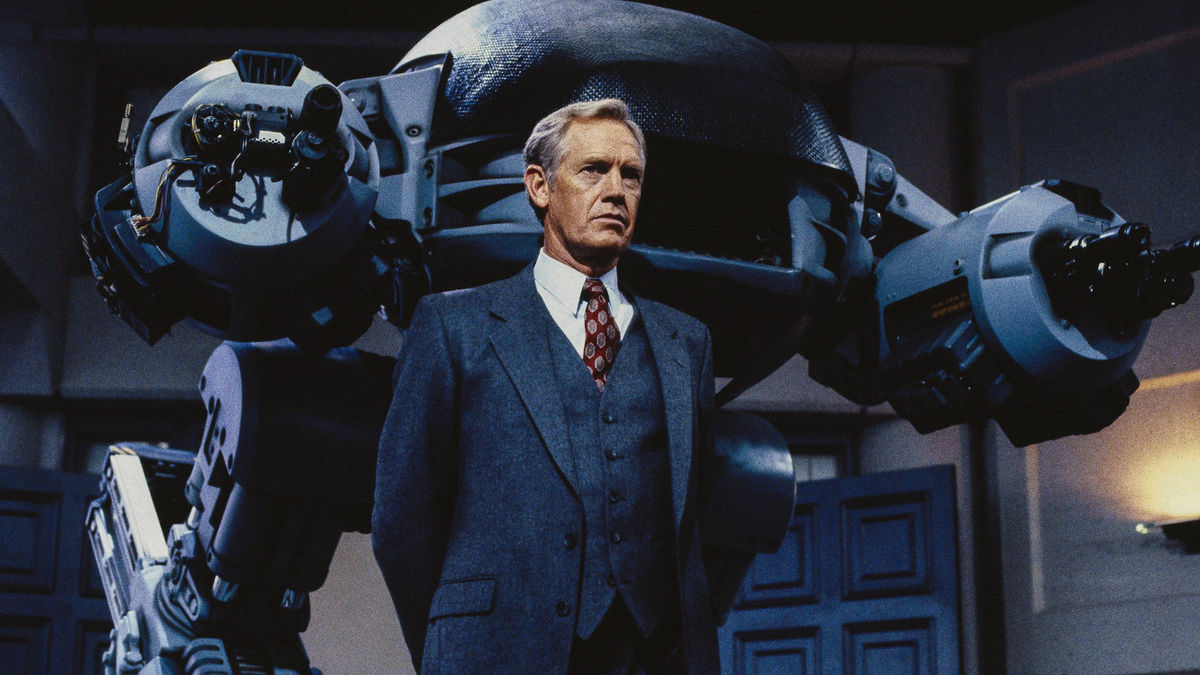
Visually, RoboCop has aged remarkably well. Its practical sets, matte paintings and modified cityscapes create a believable future where towering corporate skyscrapers overshadow a decaying urban landscape. Even more impressive are the stop motion effects used to bring ED-209 to life. Rather than feeling dated, the animation possesses a physical weight and tangible realism that many modern CGI creations struggle to achieve. Combined with the practical effects, detailed miniatures and exceptional production design, RoboCop remains a visual triumph nearly four decades later. It is more than simply one of the greatest science fiction films ever made. It is one of the greatest films ever made.